19:30
-
22:30
Category
Inaugural Cocktail Reception – Networking and welcome

Description
8:30
-
09:00
Registration and Welcome
Description
09:00
-
9:20
Institutional Opening Ceremony
Description
9:20
-
10:00
EWRS
Global Leaders Dialogue
Hola esto es una prueba
10:30
-
11:00
EWRS
Mobilizing the Infrastructure Systems We Must Build by 2035
Sets the strategic frame for WG1: energy, water and resources are not stand-alone utilities, but enabling systems for economic growth, public health, industrial competitiveness, digitalisation and climate resilience.
Discussion focus: investment needs to 2035 • integrated infrastructure planning • growth and resilience • public/private roles.
11:10
-
11:40
Main Auditorium
11:10
-
11:40
EWRS
Energy Systems of the Future: Grid, Flexibility and Digital Demand
Explores how power systems must adapt to rapid electrification, AI-driven demand and industrial growth while remaining affordable, reliable and decarbonised.
Discussion focus: grid expansion and interconnection bottlenecks • storage and flexibility • clean firm power • utilities, regulation and market reform • industrial and digital demand
Panel Discussion
Torres Quevedo Room
11:10
-
11:40
EWRS
Water Infrastructure Solutions for Growth, Sustainability and Resilience
Positions water infrastructure as a strategic platform for economic development and resilience, while bringing universal access, public health and emerging-economy needs more explicitly into the conversation.
Discussion focus: water scarcity and climate variability • universal access and sanitation • industrial and urban water demand • reuse and efficiency • governance and investment
Panel
Green Room
11:10
-
11:40
EWRS
Resource Systems of the Future
Adds the Resources pillar that WG1 identified as underrepresented: the materials and supply chains required to build future infrastructure and the circular systems needed to reduce resource pressure.
Discussion focus: critical minerals • construction materials • circularity and urban mining • strategic supply chains • materials for energy and water infrastructure
Panel
11:40
-
12:00
Coffee Break – Networking
Description
12:00
-
12:45
EWRS
The Energy-Water-Resource Nexus: Shared Constraints, Shared Solutions, and Synergy
Brings the three systems back together around shared constraints and integrated planning. The session should use concrete infrastructure cases to show why siloed decisions no longer work.
Discussion focus: energy for water and water for energy • industrial clusters • desalination and hydrogen • resource constraints • data-centre cooling and system optimisation
12:45
-
13:30
ADIN
Powering the Digital Age: Data Centers, Infrastructure Demands, and Sustainable Futures
This session will explore the critical role of data centers and other digital infrastructure in enabling the ongoing digital revolution across the entire infrastructure lifecycle. As demand for AI, cloud computing, digital twins, automation, and connected systems continues to accelerate, the discussion will examine the growing physical footprint required to support this transformation. Particular attention will be given to the energy, water, and land-use demands of data centers, the true economic costs associated with their development and operation, and the implications these requirements have for infrastructure planning, resource management, and long-term sustainability.
Discussion focus: energy availability and grids • water demand and cooling • land and spatial constraints • telecommunications • infrastructure synergies • integrated planning
13:30
-
14:30
Lunch – Networking
Description
11:00
-
13:30
Block 1 — Energy, Water, and Resource Systems (WG-1)
Auditorium 1
Auditorium 2
Auditorium 3
Auditorium 4
12:00
-
12:30
Category
Sovereign Risk & Capital Flows
Description
Chatham House
12:30
-
13:00
Category
Sovereign Risk & Capital Flows
Description
Chatham House
14:30
-
15:15
CARD
Setting the Framework: Defining the Market
Examines why decarbonisation and resilience are developing along different market trajectories, and where resilience is beginning to move from regulation/public-good provision toward competitive differentiation and investable opportunity.
Discussion focus: market maturity • regulation versus competitive opportunity • business value of adaptation • sector and geographic differences
15:15
-
16:00
Torres Quevedo Room
15:15
-
16:00
CARD
Transition Pathways: Scaling Resilient Infrastructure
Focuses on the practical barriers that prevent resilient infrastructure from scaling and the mechanisms that can turn resilience needs into bankable, implementable projects.
Discussion focus: financing and blended finance • risk allocation and insurance • procurement and regulation • climate data and analytics • institutional capacity
Rapid-Fire + Panel
17:30
-
18:30
Block 2 — Climate Adaptation, Resilience, and Decarbonization (WG-2)
Auditorium 1
Auditorium 2
Auditorium 3
Auditorium 4
12:00
-
12:30
Category
Sovereign Risk & Capital Flows
Description
Chatham House
12:30
-
13:00
Category
Sovereign Risk & Capital Flows
Description
Chatham House
16:00
-
16:30
Coffee Break – Networking
Description
16:30
-
17:00
Global Leaders Dialogue
Description
17:00
-
17:45
Torres Quevedo Room
17:00
-
17:45
CARD
Resilience as an Innovation Space: Building the Market of the Future
Looks beyond today's compliance and risk-management approaches to the technologies, materials, digital solutions and business models that could make resilience a mature innovation ecosystem by 2035.
Discussion focus: advanced materials • digital and climate solutions • new delivery models • innovation ecosystems • who captures value in a mature resilience market
Rapid-Fire + Panel
17:45
-
18:30
FIT+UMHI
Paying for the City of the Future
Starts from delivery reality—what major urban projects actually achieved on time, cost, jobs, design and placemaking—and then asks who pays for the next generation of city infrastructure. The financing discussion focuses on mobilising capital at scale while maximising local economic return and livability, not merely delivering an asset.
Discussion focus: delivery performance • municipal and multilateral finance • private-capital mobilisation • de-risking and blended finance • local economic return • public debt and political accountability
18:30
-
19:00
Synthesis – Call to Action
Captures the strongest ideas from the three blocks and translates them into a concise set of recommendations on how resilience can become a source of innovation, investment and competitive advantage.
Discussion focus: priority actions • market-enabling reforms • cross-sector recommendations • inputs to WIF White Paper
19:00
-
20:30
Cocktail Networking
Description
08:30
-
09:00
Registration and Welcome
Description
09:00
-
09:15
ADIN
AI Disruption in Infrastructure
Description
09:15
-
10:00
ADIN
AI Disruption in Infrastructure
Description
10:00
-
10:50
Main Auditorium
10:00
-
10:50
FIT
Financing Innovation and Quality Infrastructure
DescriptionExplores how project proponents, investors and markets can better recognize and reward infrastructure quality - embedding life-cycle value, resilience, sustainability and performance into project and investment decisions, and developing frameworks to identify, value and finance quality assets.
Discussion focus: bankability • quality and sustainability • innovation risk • capital structures • investor incentives
Panel / Workshop
Torres Quevedo Room
10:00
-
10:50
UMHI
Beyond Concrete: The Local Economic Dividend
Shifts the measure of infrastructure success from what is built to the economic activity it unlocks. The session examines jobs, local supply chains, tourism, regeneration and housing as channels through which infrastructure can create lasting local value rather than a temporary construction-spending effect.
Discussion focus: local economic development • job creation • tourism • local content and SMEs • housing and labour mobility • procurement choices • measuring long-term local value
Case Study / Panel + Q&A
Green Room
10:00
-
10:50
ADIN
Next Generation Infrastructure Systems: The AI-Enabled Future of Engineering, Construction & Operations
Focuses on how to enhance the infrastructure value by creating better connections across the full infrastructure lifecycle value, from engineering and construction to decades of operation. Rather than treating each phase in isolation, the panel will examine fragmented data, misaligned incentives, skills gaps and the changes needed in collaboration, contracting and information-sharing to enable integrated AI-driven infrastructure systems.
Discussion focus: AI in design and performance modelling • project delivery and quality control • operations and maintenance • asset optimisation • data continuity • collaboration and contracting • workforce and skills
Stakeholder Roundtable
10:50
-
11:10
Coffee Break – Networking
Description
11:10
-
12:05
FIT
Outlook Infrastructure
Provides a common market outlook before the specialist finance discussions: how infrastructure demand, capital availability, government capacity and investor priorities are changing across sectors and regions.
Discussion focus: traditional vs new infrastructure • greenfield vs brownfield • regional financing models • capital needs and constraints • public/private capacity
12:05
-
13:00
Torres Quevedo Room
12:05
-
13:00
ADIN
Who Is in Control? Cybersecurity, Safety and Responsibility in AI powered management of Critical and Essential Infrastructure
Examines the opportunities and risks created as AI takes a greater role in operating critical infrastructure. The session moves beyond technical cybersecurity to address transparency and explainability, technological dependence and sovereignty, cyber-physical threats, liability and the evolving distribution of responsibility between operators, owners, technology providers, regulators and machines.
Discussion focus: AI safety and reliability • cybersecurity and systemic risk • explainability and transparency • accountability and liability • technological sovereignty • ethics • human oversight
Startup Lightning Talks
Ágora
12:05
-
13:00
UMHI
Moving People, Moving Goods
Treats passenger mobility and urban logistics as one connected transition. Electrification, platform coordination and new vehicle categories are changing both people and goods movement; the session asks how cities should absorb, regulate, finance and connect these shifts rather than examining each technology or company in isolation.
Discussion focus: last-mile logistics • fleet electrification • ride-hailing and delivery platforms • advanced air mobility • public transport • regional connectivity • public/private risk sharing
Ignite / Fireside / Panel
13:00
-
14:00
Lunch – Networking
Description
14:00
-
15:10
UMHI
Room to Thrive: The Inclusive, Livable City
Challenges the idea that affordability, connectivity and sustainability must compete for scarce urban investment. Housing sits at the centre of the discussion, alongside transit-oriented development, retrofit, regeneration, resilient public space and green building, asking whether integrated investment can make inclusion, livability and climate performance reinforce one another.
Discussion focus: housing supply and affordability • transit-oriented development • retrofit and regeneration • climate-resilient public space • integrated urban investment • political and financial delivery
15:10
-
16:00
Main Auditorium
15:10
-
16:00
FIT
Closing the Infrastructure Gap
Addresses the persistent gap between infrastructure needs and investable projects, focusing on how to mobilise capital at scale and remove financial, legal and institutional barriers.
Discussion focus: capital mobilisation • project preparation • regulatory and legal constraints • public-private collaboration • risk-adjusted returns
Panel Discussion
Green Room
15:10
-
16:00
ADIN+UMHI
Sensor City or Human City?
Tests two competing visions of the future city: an increasingly instrumented, optimised and automated “sensor city”, and a human-centric city in which design, lived experience and public value determine what should be measured and automated. The objective is not to choose one extreme, but to ask what blend should guide urban infrastructure investment.
Discussion focus: AI, sensors and real-time data • digital twins • data governance • formal and informal cities • human versus algorithmic decision-making • efficiency, equity and wellbeing
Keynote / Panel + QA
16:00
-
16:40
Main Auditorium
16:00
-
16:40
FIT
Infrastructure Delivery Models
Looks at the delivery structures that can make major infrastructure programmes more investable and executable, including progressive delivery, PPPs and improved risk allocation.
Discussion focus: PPP structures • progressive delivery • procurement • enterprise development and origination • risk allocation
Round Table
Torres Quevedo Room
16:00
-
16:40
FIT
Emerging Markets
Focuses on what is required to make infrastructure in emerging markets and developing economies genuinely bankable and attractive to long-term capital.
Discussion focus: DFIs, MDBs and ECAs • project preparation • risk perception versus actual risk • local institutional investors • blended finance
Round Table
Ágora
16:00
-
16:40
ADIN
Reinventing Infrastructure Delivery: AI, Robotics, and the Future of Design, Construction, and Operations
Explores how generative AI, robotics, digital twins, advanced sensing and data-driven engineering are already changing infrastructure design, construction and operations, and what may become possible next. The discussion will Focus on supporting the new collaborative delivery models required by advance technologies resulting in improvements in productivity, safety, circularity and decarbonisation, while also considering workforce impacts, skills, trust, regulation, data ownership and accountability.
Discussion focus: generative AI • robotics and automation • digital twins • advanced sensing • computational design • productivity and safety • circularity and resource efficiency • future skills and professional roles
Ágora Discussion-Students
16.40
-
17:00
Coffee Break – Networking
Description
17:00
-
18:00
Main Auditorium
17:00
-
18:00
ADIN+FIT
Who Pays for AI? Financing the Infrastructure of the Digital Economy
Explores whether today’s predominantly private financing models are sufficient for the next generation of data centres, AI computing facilities and the enabling energy, grid, water and telecommunications infrastructure around them. It will examine the emerging role of public finance, guarantees and PPPs, including European AI Gigafactories, and debate the governance and market-design frameworks needed to mobilise capital without distorting competition or creating inefficient infrastructure.
Discussion focus: private capital • public AI infrastructure • AI Gigafactories • guarantees and PPPs • enabling infrastructure • risk allocation • strategic autonomy • market design
Panel Discussion
Green Room
17:00
-
18:00
FIT
The Changing Infrastructure Asset Class
Examines how the definition of infrastructure as an asset class is changing as digital, energy-transition and new-economy assets enter portfolios and investors take a more active role in operational transformation.
Discussion focus: new infrastructure sectors • portfolio transformation • regulation • debt and equity markets • risk-return expectations
Workshop
18:00
-
18:30
Closing Ceremony
Description
19:30
-
22:30
WIF Closing Dinner
Description
Leyend
UMHI
Urban Transformation, Mobility & Human-Centric Infrastructure
ADIN
AI, Digital Transformation & Next-Generation Infrastructure
EWRS
Energy, Water & Resource Systems of the Future
CARD
Climate Adaptation, Resilience & the Decarbonisation Imperativew
FIT
Financing the Infrastructure Transition
Speaker

Thiérry Déau

Speaker

Wendy Y. Chen
Speaker
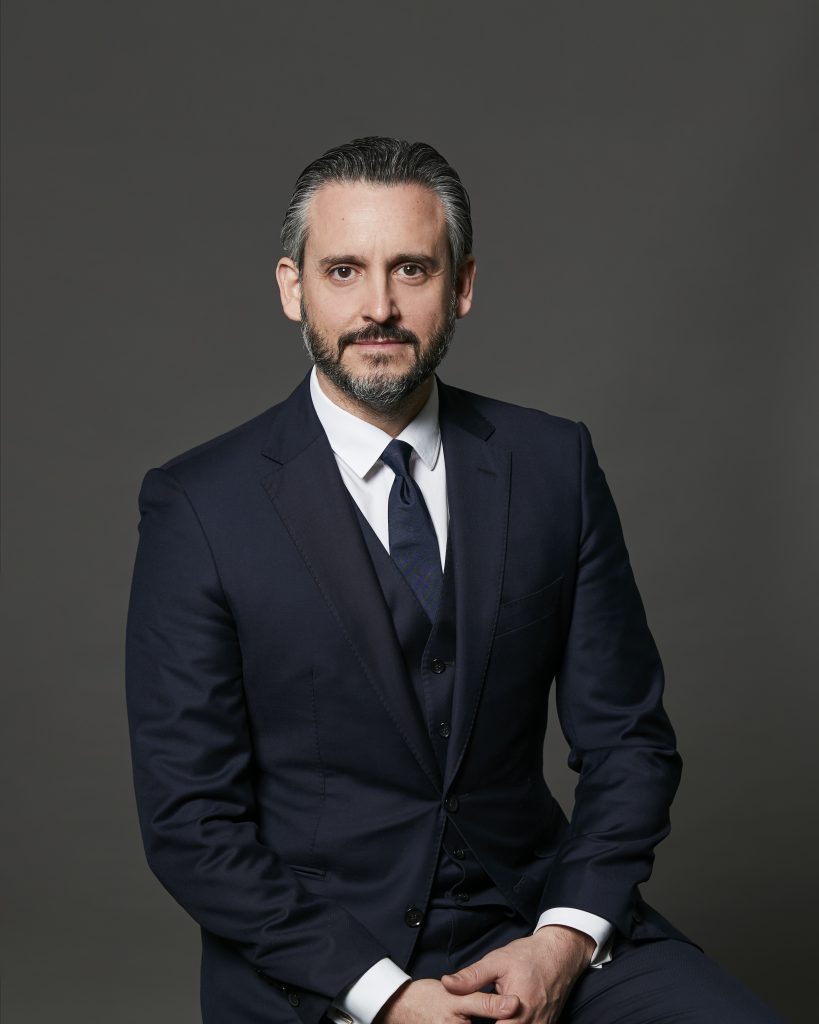
Dimitris Bountolos
Speaker

Juliet Mian
Speaker
Fumihiko Suzuki
Moderator
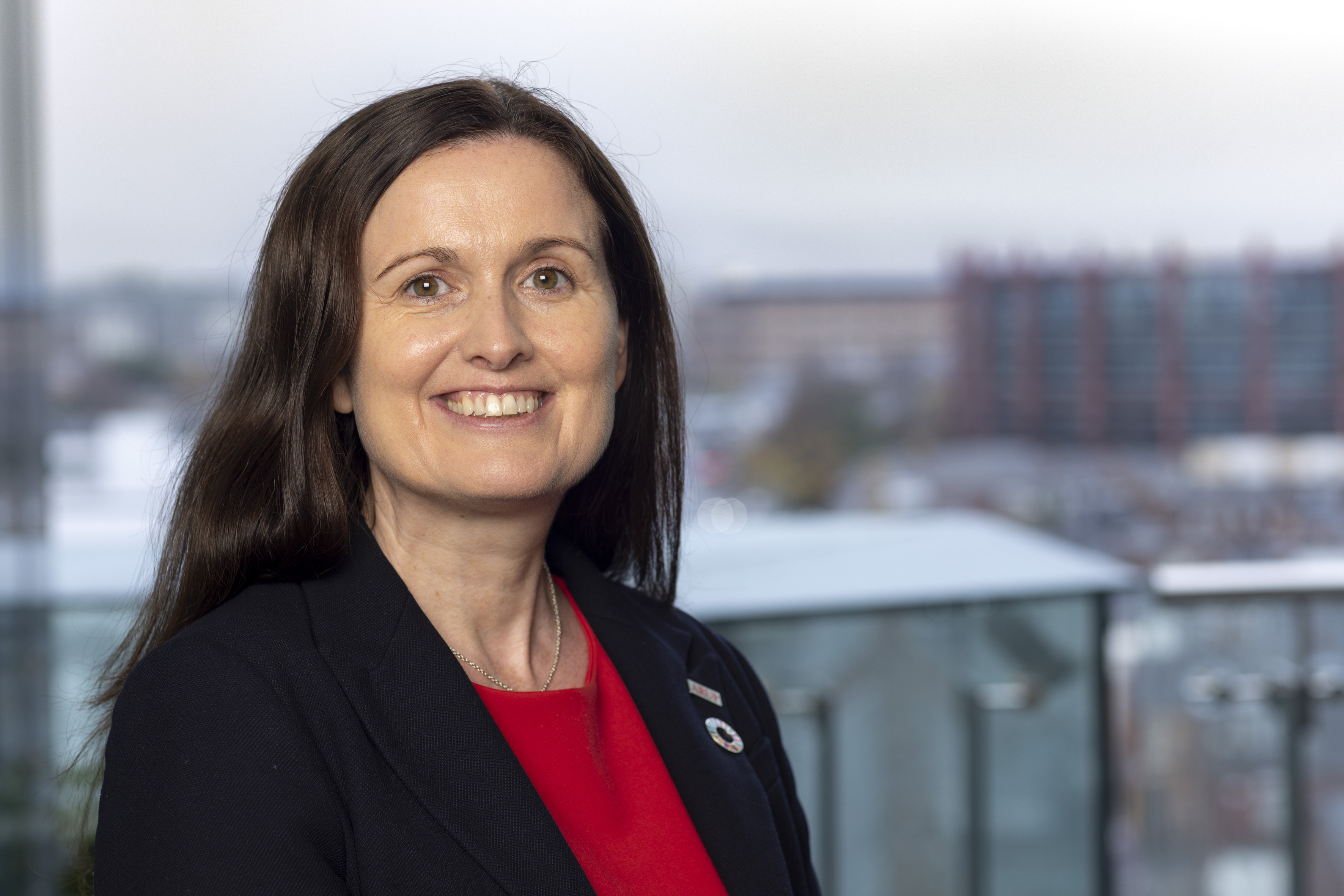
Alice Charles
Speaker

Eduardo Gascón Alvarez
Moderator
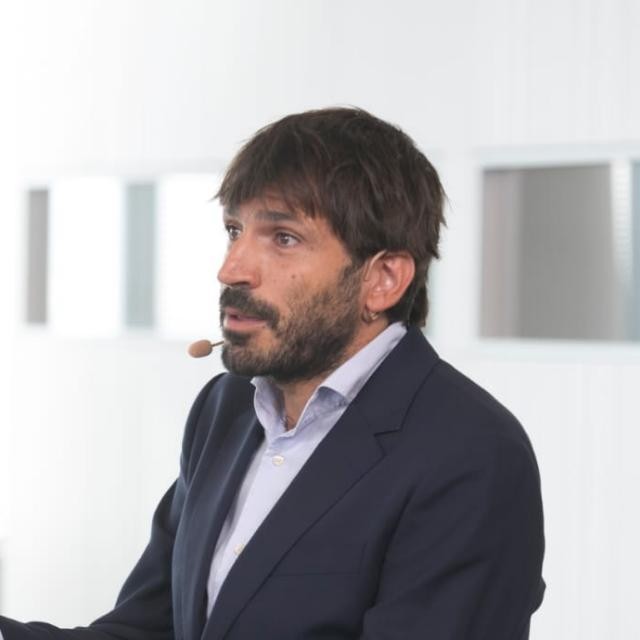
Gonzalo Fernández Sánchez
Speaker
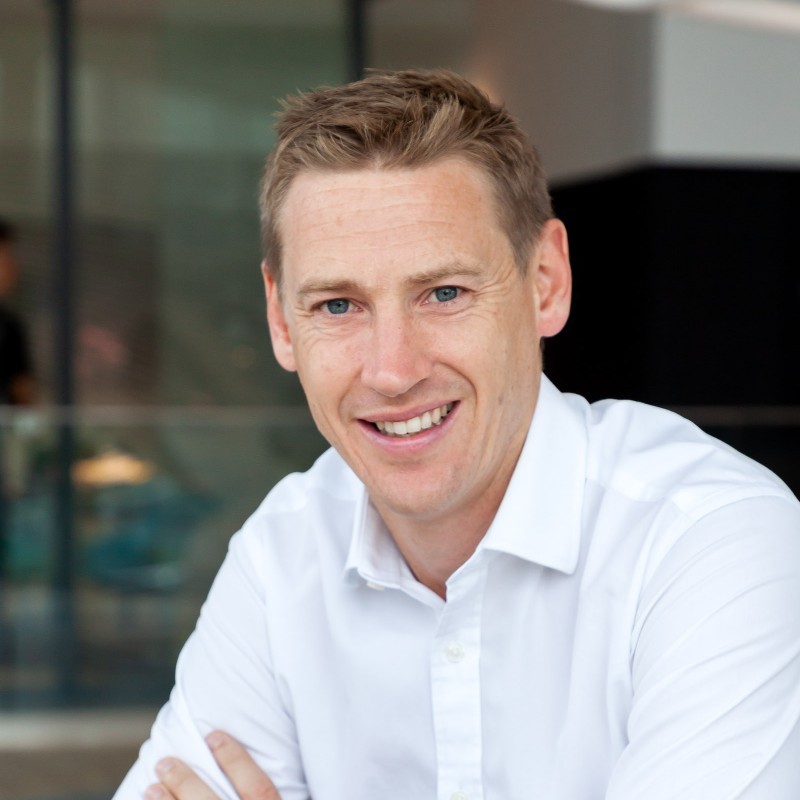
Duncan Walker
Speaker

Flor Paniagua
Speaker

Jennifer Obertino
Speaker
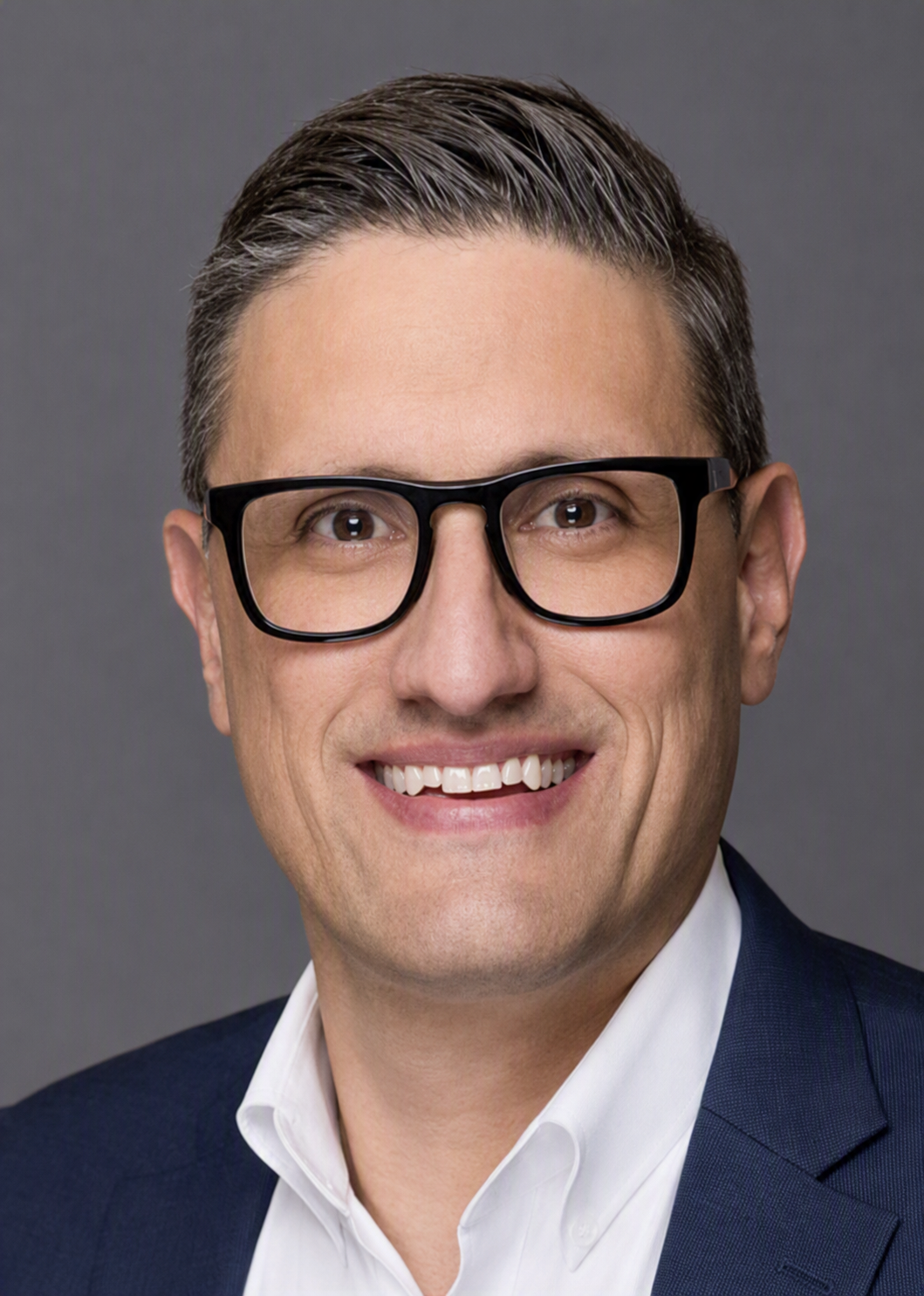
Mike Hochman
Moderator
_(4).jpg)
Isidora Kosta
Speaker

Alicia Lopez
Speaker
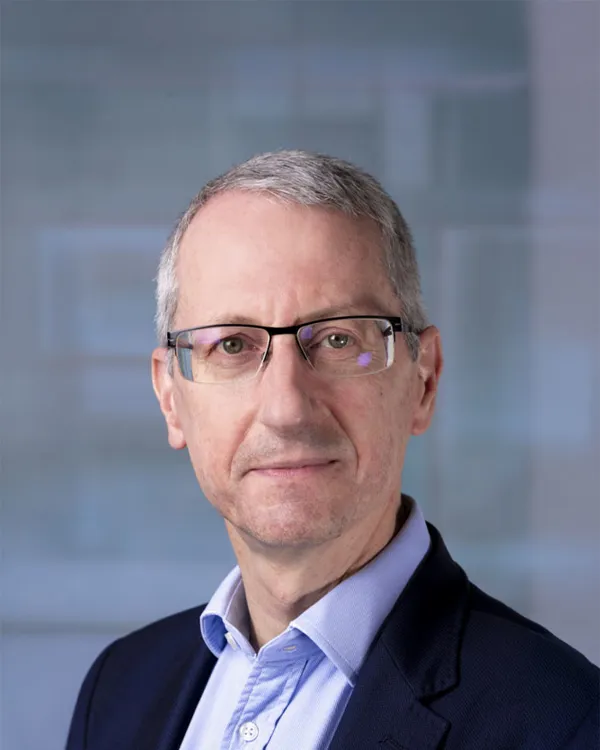
Will Cavendish
Speaker
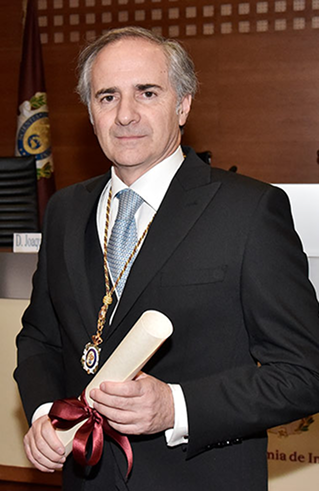
Iñigo J. Losada




.jpg)