19:30
-
22:30
Category
Inaugural Cocktail Reception – Networking and welcome

Description
08:15
-
08:55
Registration and Welcome
Description
09:00
-
9:25
Institutional Opening Ceremony
Description
9:30
-
10:15
EWRS
Global Leaders Dialogue: Mobilizing the Infrastructure Systems We Must Build by 2035
10:15
-
10:50
EWRS
Global Leaders Dialogue: Mobilizing the Infrastructure Systems We Must Build by 2035
Hola esto es una prueba
10:50
-
11:25
EWRS
Global Leaders Dialogue: Mobilizing the Infrastructure Systems We Must Build by 2035
Sets the strategic frame for WG1: energy, water and resources are not stand-alone utilities, but enabling systems for economic growth, public health, industrial competitiveness, digitalisation and climate resilience.
Discussion focus: investment needs to 2035 • integrated infrastructure planning • growth and resilience • public/private roles.
11:25
-
11:45
Coffee Break – Networking
Description
11:50
-
12:30
Torres Quevedo Room
11:50
-
12:30
EWRS
Energy Systems of the Future: Grid, Flexibility and Digital Demand
Explores how power systems must adapt to rapid electrification, AI-driven demand and industrial growth while remaining affordable, reliable and decarbonised.
Discussion focus: grid expansion and interconnection bottlenecks • storage and flexibility • clean firm power • utilities, regulation and market reform • industrial and digital demand
Panel Discussion
Green Room
11:50
-
12:30
EWRS
Water Infrastructure Solutions for Growth, Sustainability and Resilience
Positions water infrastructure as a strategic platform for economic development and resilience, while bringing universal access, public health and emerging-economy needs more explicitly into the conversation.
Discussion focus: water scarcity and climate variability • universal access and sanitation • industrial and urban water demand • reuse and efficiency • governance and investment
Panel
12:35
-
13:15
EWRS
The Energy-Water-Resource Nexus: Shared Constraints, Shared Solutions, and Synergy
Brings the three systems back together around shared constraints and integrated planning. The session should use concrete infrastructure cases to show why siloed decisions no longer work.
Discussion focus: energy for water and water for energy • industrial clusters • desalination and hydrogen • resource constraints • data-centre cooling and system optimisation
13:15
-
13:55
ADIN
Powering the Digital Age: Data Centers, Infrastructure Demands, and Sustainable Futures
This session will explore the critical role of data centers and other digital infrastructure in enabling the ongoing digital revolution across the entire infrastructure lifecycle. As demand for AI, cloud computing, digital twins, automation, and connected systems continues to accelerate, the discussion will examine the growing physical footprint required to support this transformation. Particular attention will be given to the energy, water, and land-use demands of data centers, the true economic costs associated with their development and operation, and the implications these requirements have for infrastructure planning, resource management, and long-term sustainability.
Discussion focus: energy availability and grids • water demand and cooling • land and spatial constraints • telecommunications • infrastructure synergies • integrated planning
14:00
-
14:50
Lunch – Networking
Description
11:00
-
13:30
Block 1 — Energy, Water, and Resource Systems (WG-1)
Auditorium 1
Auditorium 2
Auditorium 3
Auditorium 4
12:00
-
12:30
Category
Sovereign Risk & Capital Flows
Description
Chatham House
12:30
-
13:00
Category
Sovereign Risk & Capital Flows
Description
Chatham House
14:55
-
15:00
CARD
Climate & Resilience | Executive Opening Address by VINCI
A brief executive address by Belén Marcos, representing VINCI as the Climate & Resilience Thematic Collaborator of WIF 2026, inaugurating the thematic block and offering an industry perspective on the future of resilient and sustainable infrastructure.
15:00
-
15:50
CARD
Setting the Framework: Defining the Market
Examines why decarbonisation and resilience are developing along different market trajectories, and where resilience is beginning to move from regulation/public-good provision toward competitive differentiation and investable opportunity.
Discussion focus: market maturity • regulation versus competitive opportunity • business value of adaptation • sector and geographic differences
15:50
-
16:40
Main Auditorium
15:50
-
16:40
CARD
Transition Pathways: Scaling Resilient Infrastructure
Focuses on the practical barriers that prevent resilient infrastructure from scaling and the mechanisms that can turn resilience needs into bankable, implementable projects.
Discussion focus: financing and blended finance • risk allocation and insurance • procurement and regulation • climate data and analytics • institutional capacity
Rapid-Fire + Panel
17:30
-
18:30
Block 2 — Climate Adaptation, Resilience, and Decarbonization (WG-2)
Auditorium 1
Auditorium 2
Auditorium 3
Auditorium 4
12:00
-
12:30
Category
Sovereign Risk & Capital Flows
Description
Chatham House
12:30
-
13:00
Category
Sovereign Risk & Capital Flows
Description
Chatham House
16:40
-
17:00
Coffee Break – Networking
Description
17:00
-
17:40
Resource Systems of the Future
Description
17:40
-
18:25
Main Auditorium
17:40
-
18:25
CARD
Resilience as an Innovation Space: Building the Market of the Future
Looks beyond today's compliance and risk-management approaches to the technologies, materials, digital solutions and business models that could make resilience a mature innovation ecosystem by 2035.
Discussion focus: advanced materials • digital and climate solutions • new delivery models • innovation ecosystems • who captures value in a mature resilience market
Rapid-Fire + Panel
18:30
-
19:00
Day 1 in Perspective: Key Takeaways & What's Next
Bringing Day 1 to a close, five members of the WIF Advisory Committee reflect on the most compelling ideas, key takeaways and emerging questions from the day's discussions. An open conversation connecting perspectives across the different sessions, looking ahead to Day 2's focus on AI, finance and urban infrastructure, and exploring what these insights could mean for the next steps in shaping the future of infrastructure.
19:00
-
20:30
Cocktail Networking
Description
08:15
-
08:55
Registration and Welcome
Description
09:00
-
09:10
ADIN
Opening Remarks
Description
09:10
-
10:00
ADIN
Next Generation Infrastructure Systems: The AI-Enabled Future of Engineering, Construction & Operations
Description
10:05
-
10:50
Green Room
10:05
-
10:50
ADIN
Infrastructures as Lifelines: Cybersecurity, AI and Technology Sovereignty
Can the need to protect critical infrastructure be turned into a competitive advantage in the context of technological sovereignty and in the age of artificial intelligence?
With this question in mind, the session will explore how data centre, telecommunications, energy and other essential service operators can pursue a dual strategy: not only working towards socially beneficial frontier AI models or incorporating AI into their own processes, but also contributing to secure industrial innovation through joint investment in open models and distributed systems.
The discussion will examine the practical requirements for realising these ambitions, considering issues such as globally interconnected value chains, the full AI stack, open-weight models, the differing needs of modelling, inference and agentic AI, and the current state of regulation.
In addition, in the context of the proposed revision of the EU Cybersecurity Act, the session will examine the different European and Chinese approaches to securing critical infrastructure supply chains, and how these translate into different rules and accountability mechanisms. The challenge, especially for Europe, is to achieve a sufficient level of technological sovereignty to translate it into operational capabilities, new capacity for innovation and a viable business model, while maintaining sufficient confidence in the management of infrastructure, even in times of crisis.
Discussion focus: cyber resilience of critical infrastructure • technological sovereignty • open-weight models and risks • industrial partnerships and market opportunities • trusted suppliers and the regulatory approaches of the EU and China • distributed innovation
Panel Discussion
Torres Quevedo Room
10:05
-
10:50
FIT
Beyond Concrete: The Local Economic Dividend
Shifts the measure of infrastructure success from what is built to the economic activity it unlocks. The session examines jobs, local supply chains, tourism, regeneration and housing as channels through which infrastructure can create lasting local value rather than a temporary construction-spending effect.
Discussion focus: local economic development • job creation • tourism • local content and SMEs • housing and labour mobility • procurement choices • measuring long-term local value
Panel Discussion
Agora
10:05
-
10:50
UMHI
Beyond Engineering: Redefining the Profession, Transforming the World
What does it mean to build a meaningful career in engineering at a time when technology, climate change and societal expectations are transforming the infrastructure sector?
Bringing together four engineers with distinct professional journeys, this conversation explores the many ways a new generation is redefining the profession and its impact on society.
From pioneering AI-powered infrastructure monitoring and developing smarter, more sustainable construction technologies to championing environmental responsibility and advancing leadership in the water sector, the speakers illustrate how engineering can open doors to entrepreneurship, innovation, advocacy and institutional leadership.
Through their personal experiences, successes and challenges, the discussion will examine the skills, ambitions and choices shaping the next generation of infrastructure professionals, inspiring young engineers to explore new career pathways and take an active role in building a more sustainable, resilient and technologically advanced future.
Panel Discussion
10:50
-
11:10
Coffee Break – Networking
Description
11:10
-
12:00
FIT
Outlook Infrastructure
Provides a common market outlook before the specialist finance discussions: how infrastructure demand, capital availability, government capacity and investor priorities are changing across sectors and regions.
Discussion focus: traditional vs new infrastructure • greenfield vs brownfield • regional financing models • capital needs and constraints • public/private capacity
12:00
-
13:00
FIT
When Systems Fail: Building Infrastructure for an Age of Disruption
Moderated by Prof. Íñigo Losada, the session will examine how critical infrastructure systems can anticipate, withstand and recover from major disruptions, including extreme weather events and natural disasters. Particular attention will be given to systemic risk assessment, resilience investment, and the governance and financing mechanisms required to strengthen infrastructure preparedness.
The session will combine real-world case studies with a high-level panel discussion, bringing together perspectives from academia, multilateral institutions, infrastructure operators and the insurance industry.
13:00
-
13:20
FIT
Remarks
13:20
-
14:00
FIT
Spanish Wine Break - Networking
14:00
-
14:30
Lunch – Networking
Description
14:30
-
15:15
Auditorium
14:30
-
15:15
UMHI
Moving People, Moving Goods
Treats passenger mobility and urban logistics as one connected transition. Electrification, platform coordination and new vehicle categories are changing both people and goods movement; the session asks how cities should absorb, regulate, finance and connect these shifts rather than examining each technology or company in isolation.
Discussion focus: last-mile logistics • fleet electrification • ride-hailing and delivery platforms • advanced air mobility • public transport • regional connectivity • public/private risk sharing
Ignite / Panel
Green Room
14:30
-
15:10
FIT - UMHI
Financing Innovation and Quality Infrastructure
Panel Discussion
Torres Quevedo Room
14:30
-
15:10
UMHI
The Economics of Greener Cities: Lessons from Singapore, Hong Kong and the EU Cities Mission
Treats passenger mobility and urban logistics as one connected transition. Electrification, platform coordination and new vehicle categories are changing both people and goods movement; the session asks how cities should absorb, regulate, finance and connect these shifts rather than examining each technology or company in isolation.
Discussion focus: last-mile logistics • fleet electrification • ride-hailing and delivery platforms • advanced air mobility • public transport • regional connectivity • public/private risk sharing
Panel
15:15
-
16:00
UMHI
Room to Thrive: The Inclusive, Livable City
Challenges the idea that affordability, connectivity and sustainability must compete for scarce urban investment. Housing sits at the centre of the discussion, alongside transit-oriented development, retrofit, regeneration, resilient public space and green building, asking whether integrated investment can make inclusion, livability and climate performance reinforce one another.
Discussion focus: housing supply and affordability • transit-oriented development • retrofit and regeneration • climate-resilient public space • integrated urban investment • political and financial delivery
16:05
-
16:50
Auditorium
16:05
-
16:50
ADIN
Reinventing Infrastructure Delivery: AI and the Future of Design, Construction, and Operations
Explores how generative AI, robotics, digital twins, advanced sensing and data-driven engineering are already changing infrastructure design, construction and operations, and what may become possible next. The discussion will Focus on supporting the new collaborative delivery models required by advance technologies resulting in improvements in productivity, safety, circularity and decarbonisation, while also considering workforce impacts, skills, trust, regulation, data ownership and accountability.
Discussion focus: generative AI • robotics and automation • digital twins • advanced sensing • computational design • productivity and safety • circularity and resource efficiency • future skills and professional roles
Startup Innovation Showcase + Panel Discussion
Torres Quevedo Room
16:05
-
16:50
FIT
Closing the Infrastructure Gap
Addresses the persistent gap between infrastructure needs and investable projects, focusing on how to mobilise capital at scale and remove financial, legal and institutional barriers.
Discussion focus: capital mobilisation • project preparation • regulatory and legal constraints • public-private collaboration • risk-adjusted returns
Panel Discussion
16:50
-
17:10
Coffee Break – Networking
Description
17:10
-
17:55
Green Room
17:10
-
17:55
ADIN
At the Tipping Point: From the Chip Revolution to the Age of AI
Fireside Chat | Prof. Alberto Sangiovanni-Vincentelli & Prof. Gioele Zardini
A conversation across generations on how technological breakthroughs reshape entire industries, what made the semiconductor revolution possible, and what lessons it offers as AI brings infrastructure and engineering to another transformative moment.
Round Table
Torres Quevedo Room
17:10
-
17:55
FIT
Emerging Markets
Focuses on what is required to make infrastructure in emerging markets and developing economies genuinely bankable and attractive to long-term capital.
Discussion focus: DFIs, MDBs and ECAs • project preparation • risk perception versus actual risk • local institutional investors • blended finance
Round Table
17:55
-
18:45
Green Room
17:55
-
18:45
FIT
Infrastructure Delivery Models
Looks at the delivery structures that can make major infrastructure programmes more investable and executable, including progressive delivery, PPPs and improved risk allocation.
Discussion focus: PPP structures • progressive delivery • procurement • enterprise development and origination • risk allocation
Round Table
Torres Quevedo Room
17:55
-
18:45
FIT
The Changing Infrastructure Asset Class
Examines how the definition of infrastructure as an asset class is changing as digital, energy-transition and new-economy assets enter portfolios and investors take a more active role in operational transformation.
Discussion focus: new infrastructure sectors • portfolio transformation • regulation • debt and equity markets • risk-return expectations
Round Table
18:50
-
19:10
Closing Remarks - Call to Action
Description
19:15
-
19:30
Bus Transfer to Dinner Venue by EMT
Description
19:30
-
22:30
WIF Closing Dinner
Description
Leyend
UMHI
Urban Transformation, Mobility & Human-Centric Infrastructure
ADIN
AI, Digital Transformation & Next-Generation Infrastructure
EWRS
Energy, Water & Resource Systems of the Future
CARD
Climate Adaptation, Resilience & the Decarbonisation Imperativew
FIT
Financing the Infrastructure Transition
Speaker

Alberto Salamanca

Moderator
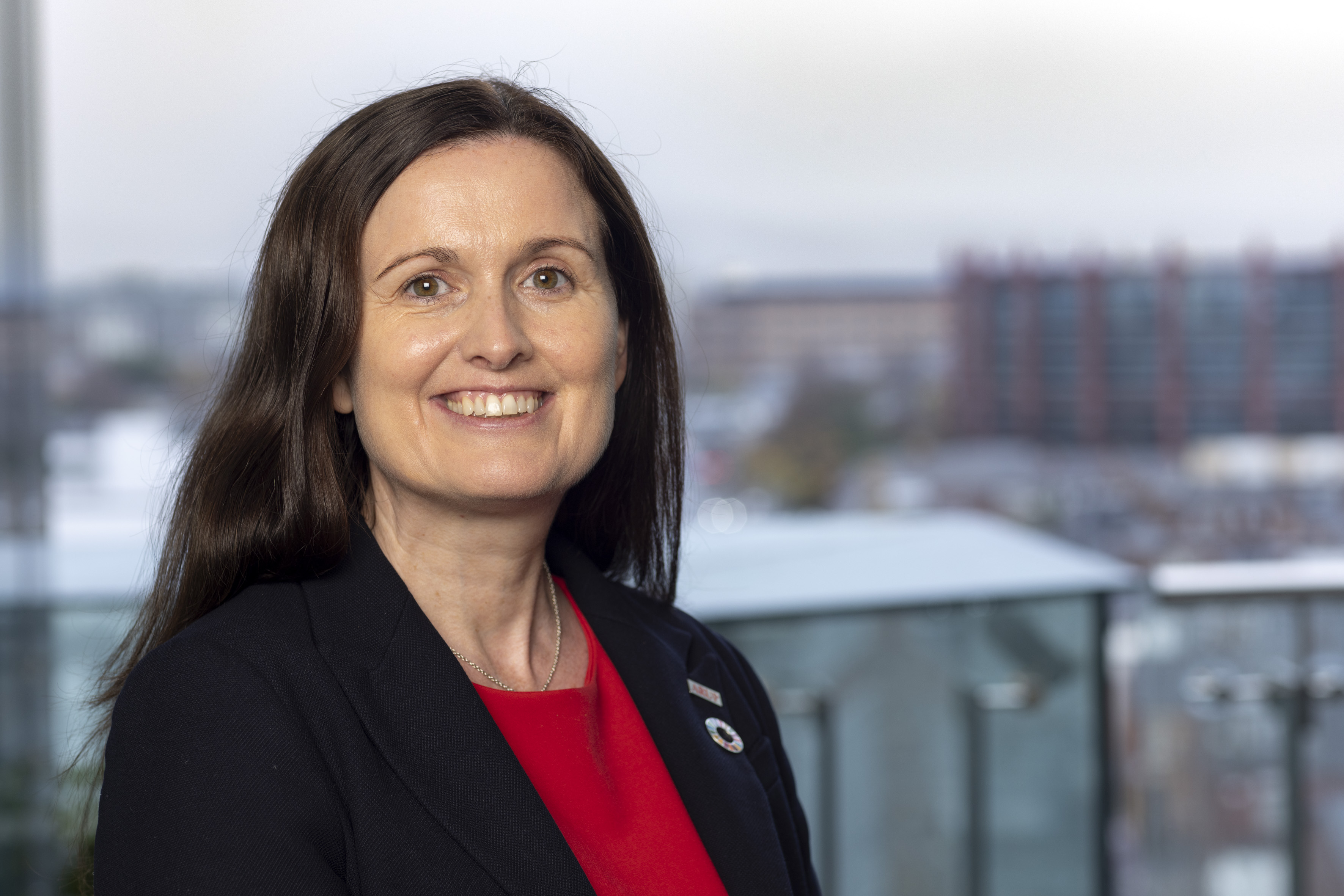
Alice Charles
Speaker
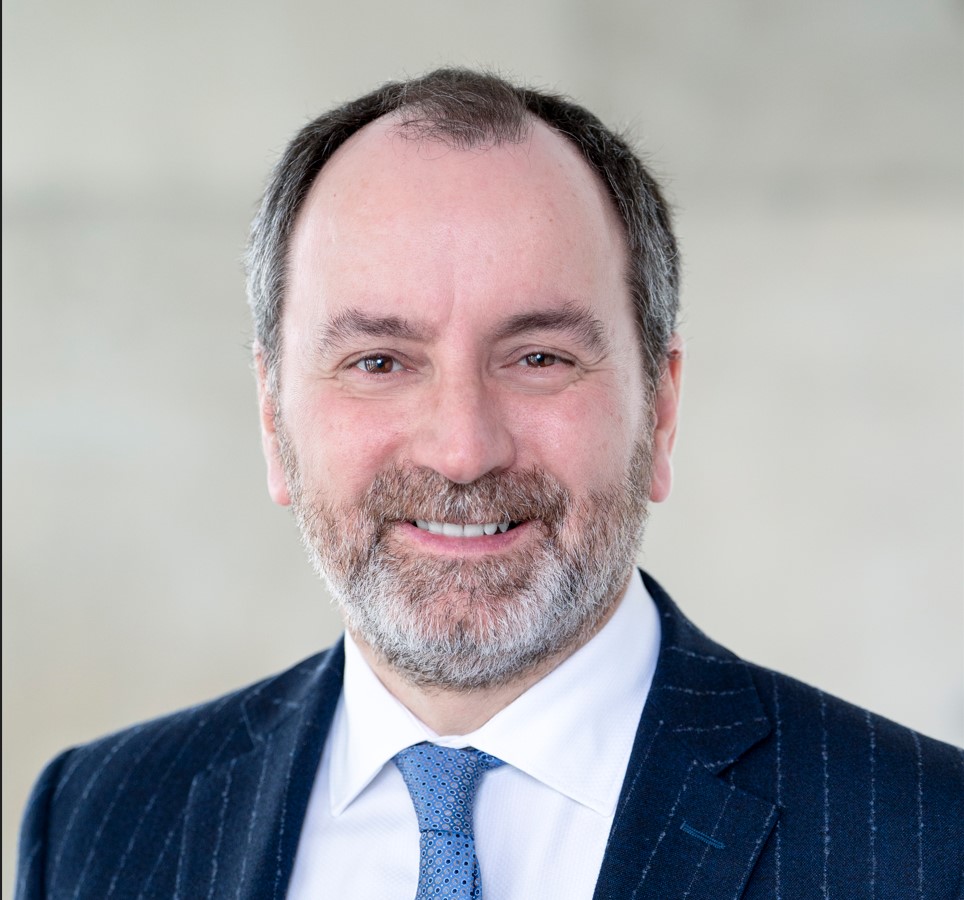
Andrés Rodríguez-Pose
Speaker
Andrew Smith
Speaker

Antonio Cases
Speaker

Belén Marcos
Speaker

Carlos Mallo
Speaker

Charles Werth
Speaker

Christiane Mann
Speaker
Christopher Elmore
Moderator

Christopher Gasson
Moderator

Claudio Feijóo
Speaker
Douglas Fraser
Speaker
Emilio Frazzoli
Moderator

Fan Zhang
Moderator
Franz-Josef Ulm
Moderator
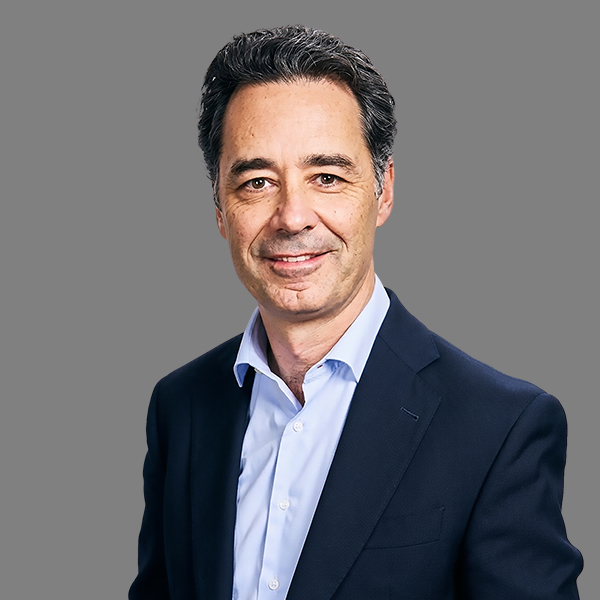
Gabriel Valtueña
Moderator
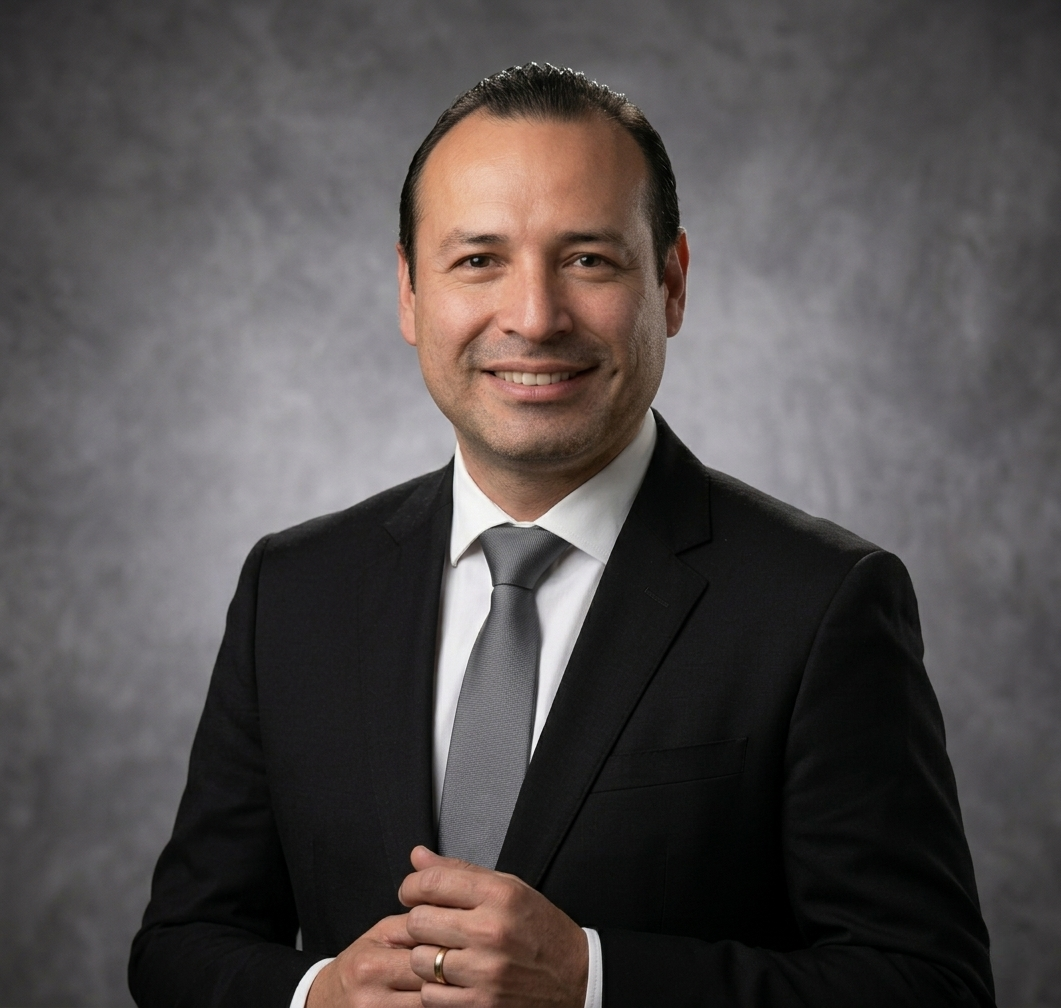
Germán Elera
Moderator
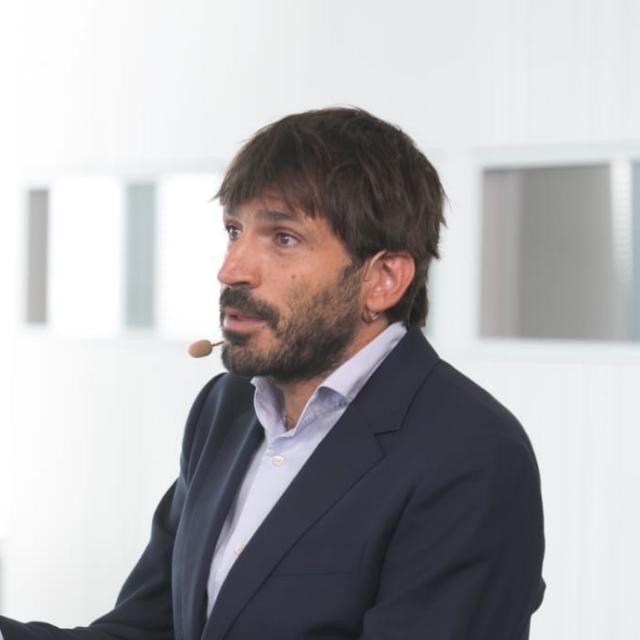
Gonzalo Fernández Sánchez
Speaker
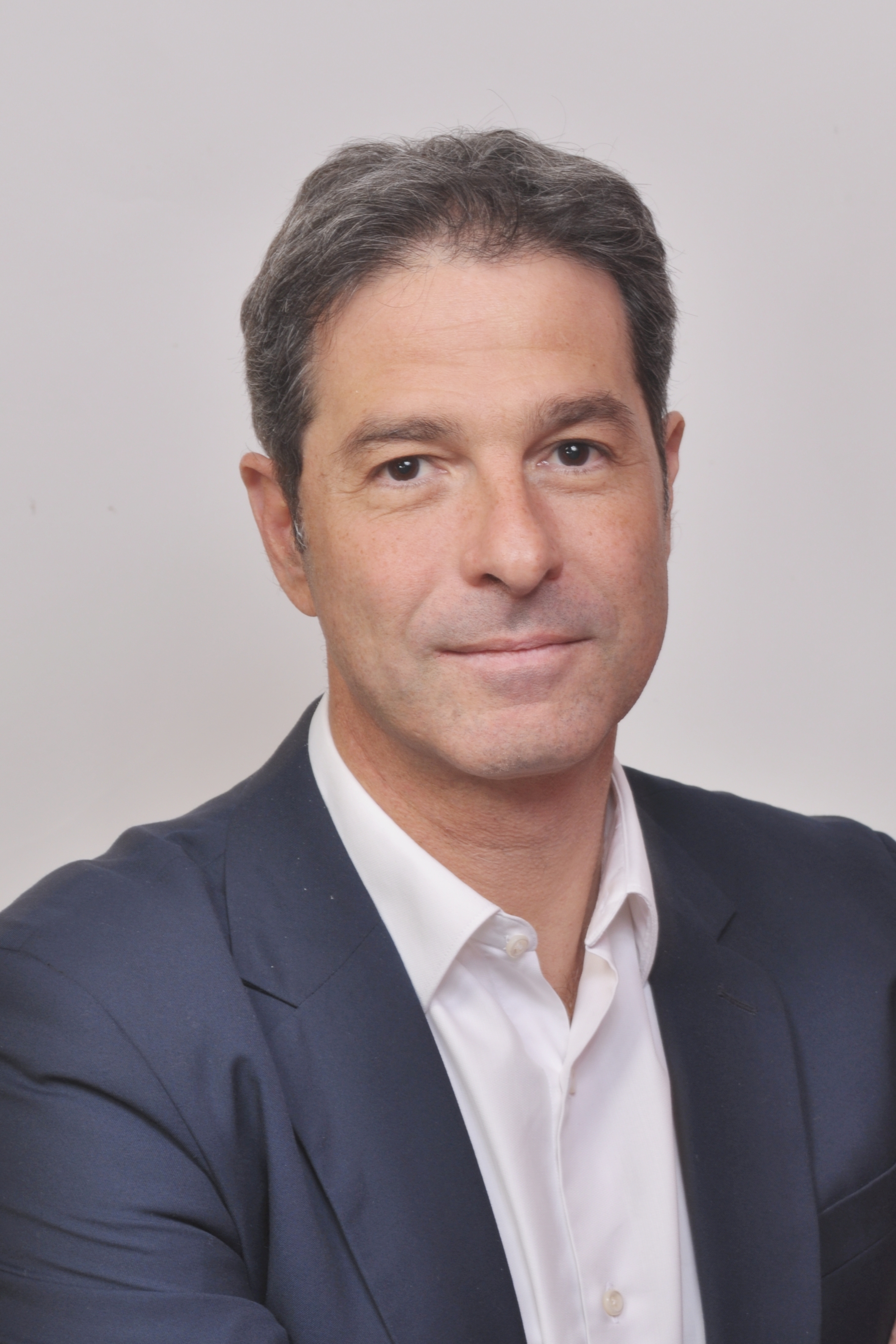
Guillaume Arditti
Moderator
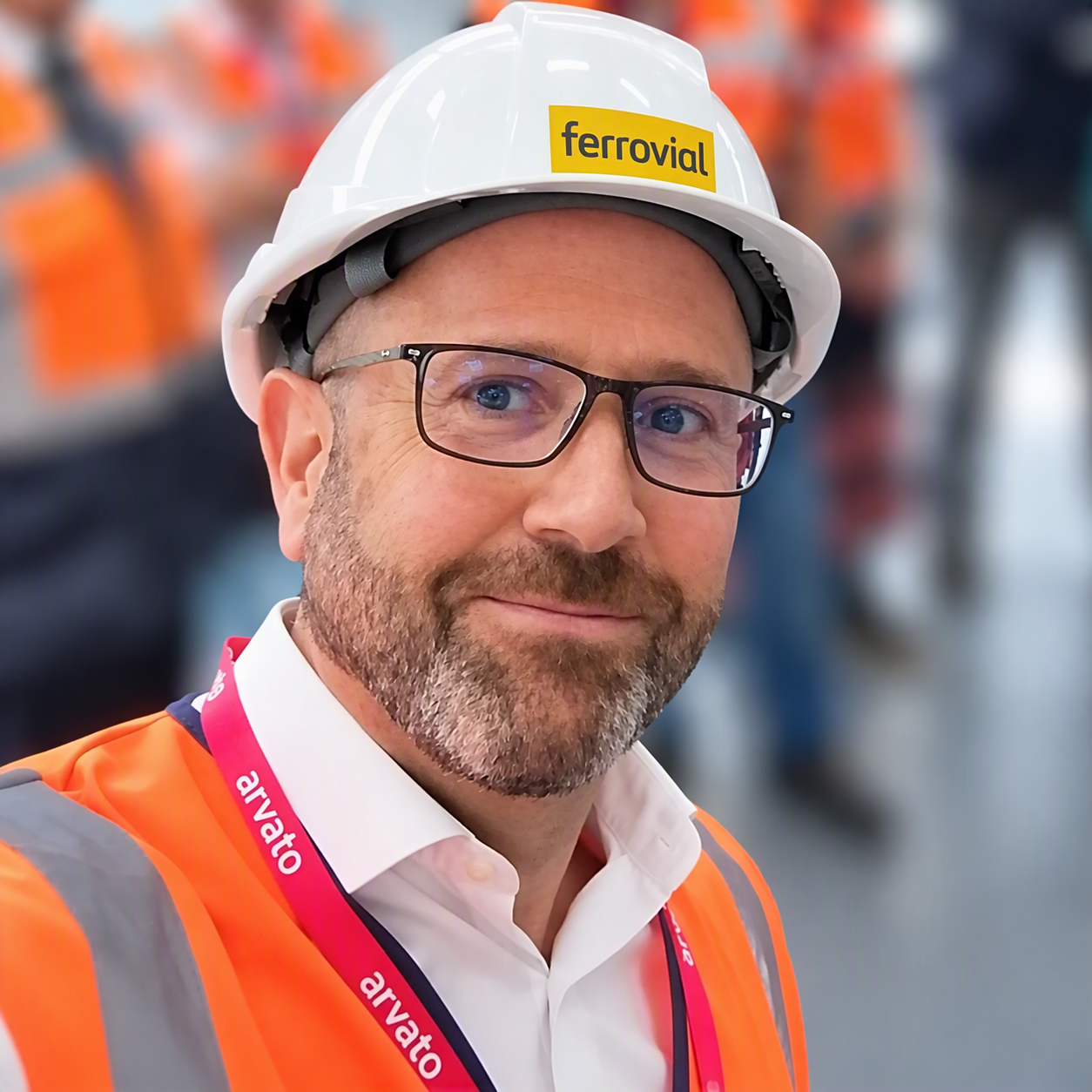
Gustavo Martínez
Moderator
Henri Blas
Speaker

Hernán Fatone
Moderator

Inés Idzikowski
Moderator
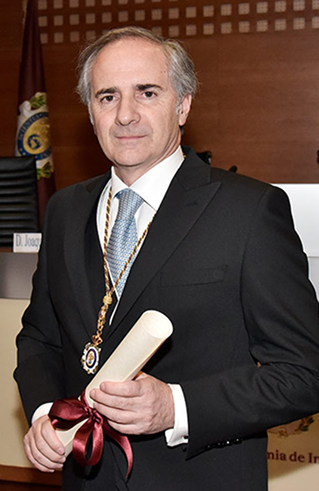
Iñigo J. Losada
Moderator
Iñigo J. Losada
Moderator

Isidora Kosta
Moderator
Isidora Kosta
Moderator

Julio Lumbreras
Moderator

Linda Munyengeterwa
Moderator

Luis Villarroya
Moderator
Marco Tonegutti
Speaker
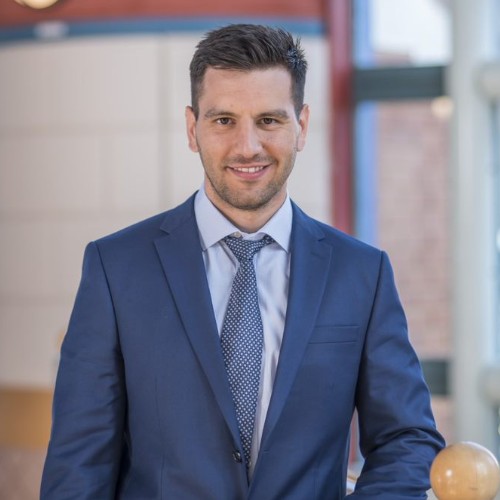
Nicolas Antoniou
Moderator
Paul Henry
Moderator

Sasha Twining
Moderator
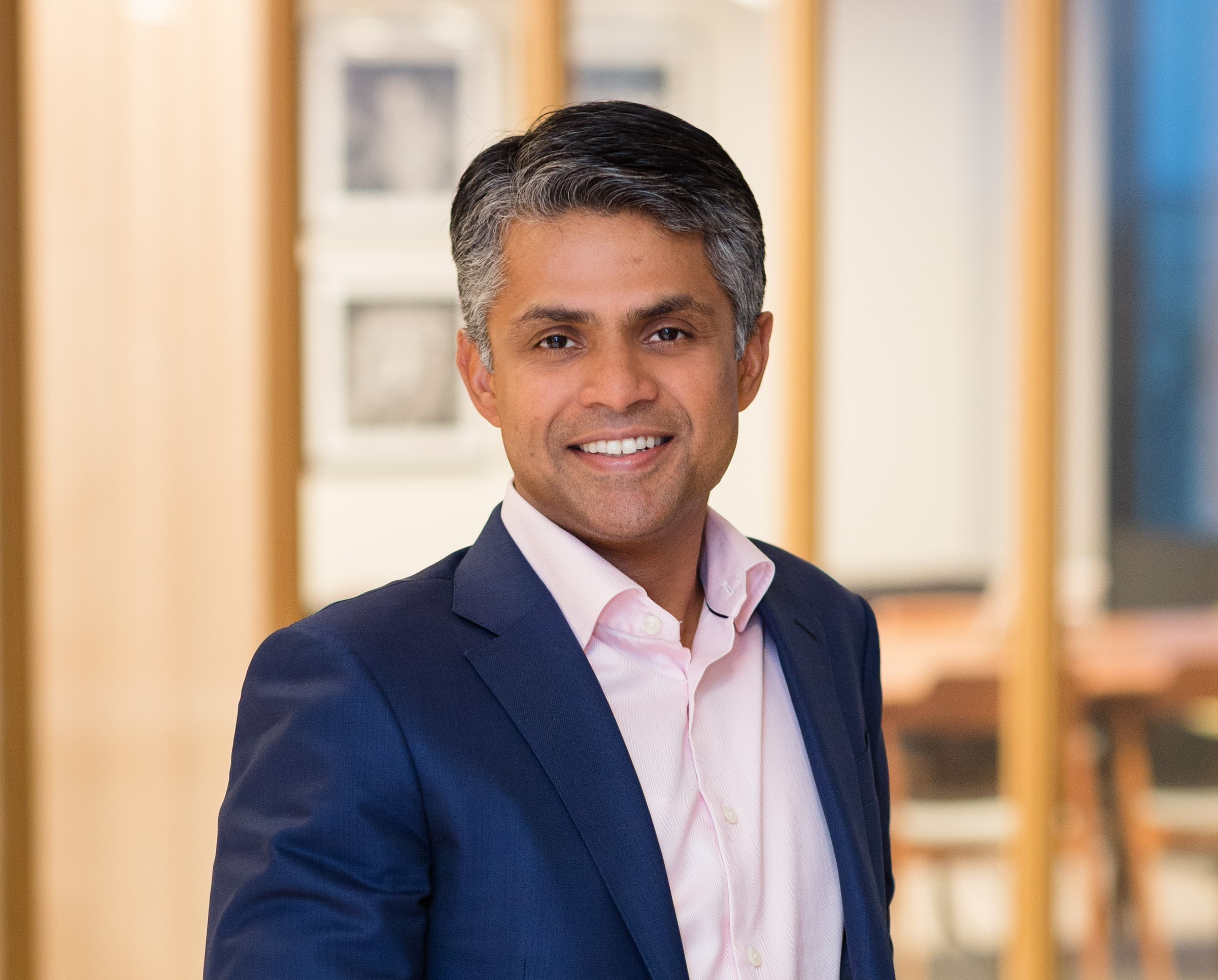
Sudeep Maitra
Moderator
Theresa Beltramo